

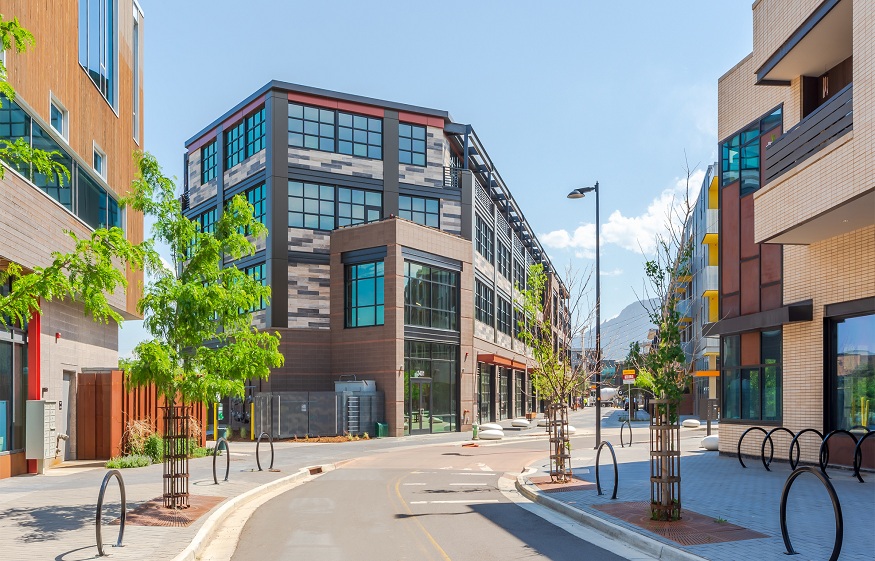
Mixed-use development refers to projects that combine diverse types of real estate uses within a single property or development. These uses can be residential, commercial, recreational, and even institutional. In the opinion of Joe Cianciotto, mixed-use developments are typically designed to promote a cohesive community experience with the integration of diverse elements of urban living. Such developments aim at enhancing convenience for residents, businesses, and visitors.
Joe Cianciotto highlights some of the major benefits of mixed-use developments
Mixed-use development, at its core, is a single real estate project that combines two or more urban functions within a cohesive and walkable layout. Such developments often serve as self-contained hubs of urban life. By encouraging interaction among residents, businesses, and visitors, mixed-use developments foster a sense of community. They typically feature shared spaces like plazas, parks, and community centers, which create opportunities for connection and collaboration.
- Here are a few of the key benefits of mixed-use developments:
- Job creation: Mixed-use developments often integrate commercial and retail spaces, which helps create a wide variety of employment opportunities within the community. It can help create jobs in restaurants, shops, offices, and even maintenance services.
- Increased property values: Properties that are located within and around mixed-use developments often witness an increase in their value owing to the convenience and amenities they offer. The rising demand for living in such vibrant communities helps drive up property prices.
- Economic activity: Mixed-use developments often generate increased customer flow and foot traffic for businesses, leading to higher sales and revenues. The presence of varied amenities helps magnetize visitors, and boosts the local economy.
- Efficient use of land: Mixed-use developments combine multiple uses in a single project and hence make more efficient use of land. This can lead to better financial returns for developers through higher density and reduced infrastructure costs.
- Community building: At a mixed-use development, one would find residential, commercial, and recreational space in close proximity. This encourages frequent social interactions, and also fosters a sense of community and belonging among the residents.
- Diverse social spaces: There are usually public spaces like plazas, community centers, and parks located within mixed-use developments, which emerge as ideal venues for cultural events and social gatherings, thereby enhancing community life.
- Safety and security: There is a continuous presence of people and activities throughout the day and night within a mixed-use development. This increases natural surveillance, and contributes to a safer environment.
- Inclusivity: Mixed-use developments often tend to accommodate a diverse range of housing options, right from budget-friendly units to luxury apartments, thereby promoting social diversity and inclusivity within the community.
In the opinion of Joe Cianciotto, mixed-use developments help limit urban sprawl by concentrating development in a compact, mixed-use format. They help preserve green spaces and reduce the need for extensive infrastructure development in outlying areas. By placing residential, commercial, and recreational spaces at a walkable distance, mixed-use developments help decrease dependence on cars and encourage people to choose public transit, walking, or cycling instead. This shift in transportation habits contributes to reduced carbon emissions and better air quality. Moreover, mixed-use developments often adopt eco-friendly building strategies, including energy-efficient architectural designs, the use of renewable energy systems, and environmentally responsible construction materials, all of which help minimize their overall impact on the environment.