

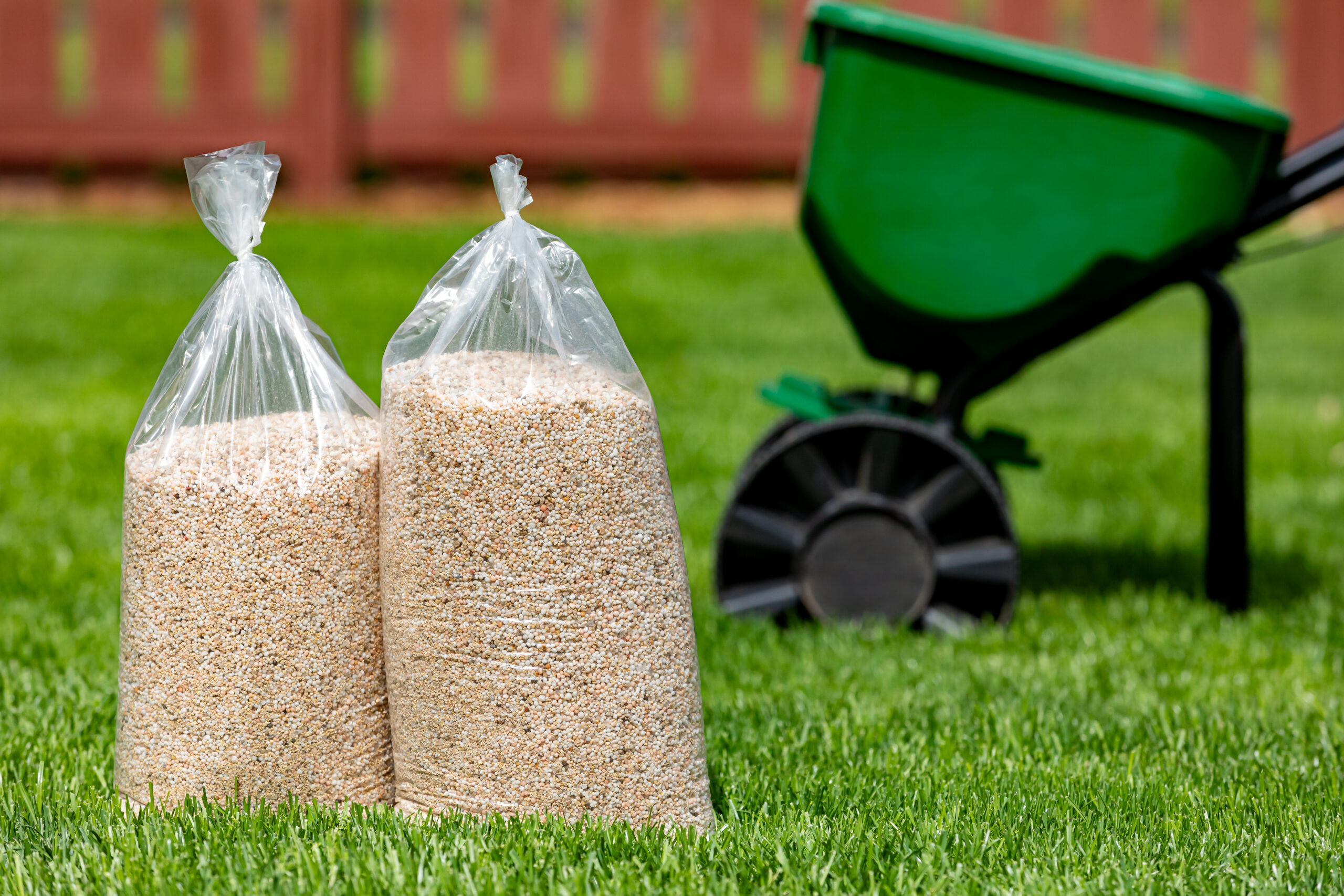
Understanding Your Lawn: The Foundation of Dacula Lawn Care
Before embarking on the journey of transforming your outdoor space, it’s essential to grasp the fundamental aspects that govern successful lawn care in Dacula. Understanding your lawn will not only equip you with valuable insights into how to nurture grass effectively but also allow you to make informed decisions that contribute to a thriving outdoor environment. This foundation encompasses multiple facets, including soil health, grass selection, and native flora that enrich the ecosystem.
Soil Science: Unlocking the Secret to Healthy Grass
Soil is often referred to as the lifeblood of your lawn. Healthy soil provides the essential nutrients that grass requires to grow robustly, allowing it to withstand Dacula’s semi-arid climate and occasional heavy rains. The first step in soil science is conducting a soil test. This analysis will reveal pH levels, nutrient deficiencies, and organic matter content, key indicators of soil health. In Dacula, the ideal pH range for most grasses is between 6.0 and 7.0. A soil pH below this range can lead to nutrient lockout, while an overly alkaline soil can hinder grass growth and promote weed proliferation.
Once you understand the characteristics of your soil, you can amend it effectively. Adding organic matter, such as compost or well-rotted manure, enhances soil structure and fertility. These amendments improve water retention and aeration, allowing your grass roots to penetrate deeper into the soil. Additionally, incorporating minerals like lime can balance the pH, while fertilizers can replenish essential nutrients. By cultivating healthy soil, you establish a thriving foundation for a lush lawn.
Choosing the Right Grass: Dacula’s Best Grasses for Success
Dacula’s climate presents unique challenges and opportunities for grass selection. One of the most crucial decisions for any homeowner is selecting the appropriate grass type for your lawn. Cool-season grasses, such as fescue and bluegrass, thrive in the cooler months, whereas warm-season varieties like Bermuda and Zoysia flourish during the hot summer. Fescue, particularly tall fescue, is well-suited for Dacula’s climate due to its drought resistance and adaptability to various soil types. Conversely, Bermuda grass excels in sunny areas and is highly resistant to wear, making it a favorite for high-traffic zones.
You should also consider maintenance levels when making your selection. High-maintenance grasses may require regular watering, mowing, and fertilization, while low-maintenance varieties offer an alternative for homeowners seeking a more sustainable and easy-flowing landscape. Blending grass types can also improve resilience; for example, mixing cool-season fescue with warm-season Bermuda can create a diverse lawn that remains green and healthy throughout the year. In addition to their aesthetic appeal, the right grass choice will reduce the need for water and fertilizers, fostering a sustainable outdoor environment.
The Role of Native Plants: Enhancing Biodiversity in Your Lawn
Integrating native plants into your lawn care strategy is crucial for enhancing biodiversity and ecosystem resilience. Native plants are adapted to local conditions, making them more resilient to drought, pests, and diseases compared to exotic species. By planting native flowering plants, shrubs, and grasses alongside your lawn, you promote a balanced garden ecosystem. This diverse flora creates habitats for local wildlife such as birds, butterflies, and beneficial insects that can naturally control pests.
Read More: Boost Lawn Health with Simple Sprinkler Upgrades
Moreover, incorporating native plants can drastically reduce water consumption and fertilizer needs. This not only translates to savings for homeowners but also contributes to the overall sustainability of your landscape. By allowing local flora to coexist with your grassland, you cultivate an environment that thrives in harmony with Dacula’s unique climate. Gardening with natives will also provide striking seasonal color and texture variations, making your outdoor space not just functional but visually captivating.
Smart Watering Techniques: Quenching Your Lawn’s Thirst
Water management is a cornerstone of effective lawn care, particularly in regions like Dacula that occasionally experience drought conditions. Smart watering techniques can enhance your lawn’s resilience, maintain its vibrancy, and conserve water. The efficacy of your irrigation system directly affects the health of your lawn, making it imperative to adopt best practices tailored to the local climate.
The Art of Irrigation: When and How Much to Water
Achieving optimal soil moisture is an art that strikes a balance between overwatering and underwatering. A good rule of thumb is to water deeply but infrequently. This encourages grass roots to grow deeper into the soil, enhancing drought resistance. In Dacula, the average watering schedule during the hot months is approximately one inch of water per week, whether from rainfall or irrigation. Monitoring weather conditions and adjusting your watering schedule accordingly can save significant water.
Read More: The Long-Term Durability of Artificial Grass: What to Expect
Timing also matters; lawns are best watered early in the morning, ideally between 6 a.m. and 10 a.m., to minimize evaporation losses. The use of irrigation systems equipped with timers or smart technology can optimize water usage and ensure uniform distribution. Additionally, covering bare soil with mulch can help retain moisture, reducing the amount of water your lawn requires. By mastering irrigation practices, you enhance not just your lawn’s health but also the local water ecosystem.
Rainwater Harvesting: A Sustainable Approach for Dacula Residents
Rainwater harvesting is an innovative and sustainable method for maximizing natural resources while supporting your lawn care efforts. By collecting rainwater from roofs and directing it into barrels or cisterns, homeowners can reduce dependency on municipal water supplies and decrease stormwater runoff. This not only conserves precious water resources but can dramatically lower your water bill.
To implement a rainwater harvesting system, install a rain barrel connected to your gutter system or consider underground cisterns for larger storage needs. Ensure your system is designed with filtration to maintain water quality, as even small particulates can impact your lawn health. Dacula residents can benefit immensely from this method, especially during dry spells, as rainwater is typically softer and free from the chemicals found in tap water. Integrating rainwater use into your lawn care routine reinforces a holistic approach to landscaping sustainability.
Understanding Evapotranspiration: A Key to Efficient Water Use
Evapotranspiration (ET) is a crucial concept for effective lawn care, representing the sum of evaporation and plant transpiration. By understanding ET rates, homeowners can make informed decisions on when and how much to water their lawns. Factors such as temperature, humidity, wind speed, and even the type of grass contribute to varying ET levels, which can be significant in a climate like Dacula’s.
Utilizing ET data can enhance your irrigation efficiency. Local weather services often provide ET rates, which can help homeowners adjust their watering schedules to align with actual grass needs. For instance, during periods of high evapotranspiration, lawns may require additional water to maintain optimal moisture levels. Moreover, using ET-based irrigation systems can help automate your watering schedule, ensuring your lawn receives precisely what it needs. By incorporating this understanding of moisture dynamics, you’ll enhance your lawn’s health while being a responsible steward of local water resources.
Lawn Care Essentials: Tools and Techniques for Every Homeowner
With a solid understanding of your lawn’s needs, the next step in creating a verdant space is acquiring the right tools and techniques essential for lasting results. Investing in quality equipment and mastering maintenance techniques allows homeowners to manage their lawns effectively and efficiently.
Mowers and More: Selecting the Right Equipment for Your Grass Type
Choosing the correct mower is essential for maintaining your lawn’s health. The type of mower you select should align with the grass species you’ve chosen and the size of your lawn. For instance, rotary mowers are ideal for taller grasses, whereas reel mowers work exceptionally well with fine-bladed fescue. Besides mowing type, consider the mower’s cutting width, weight, and fuel source. Electric mowers have become increasingly popular due to their efficiency and lower environmental impact.
In addition to mowers, consider other essential tools such as edged trimmers, rakes, and blowers, which can help maintain clean edges and remove debris that can suffocate grass. Quality tools not only make lawn care easier but can also significantly enhance your overall results. Additionally, regular maintenance of your equipment ensures optimal performance and longevity, paving the way for a beautiful lawn and a gratifying outdoor space.
Fertilization Fundamentals: Feeding Your Lawn the Right Way
Fertilization is a critical aspect of promoting lush, healthy turf. A well-fertilized lawn receives the essential nutrients nitrogen, phosphorus, and potassium that are vital for growth. However, timing and technique are crucial to effective fertilization; applying too much can lead to a surge in growth that requires additional mowing, while too little might result in a lackluster lawn.
In Dacula, the timing of fertilization typically aligns with the growing seasons of your chosen grass type. Cool-season grasses generally benefit from fertilization in early spring and fall, whereas warm-season grasses thrive with fertilization in late spring to early summer. Regular soil testing can help determine nutrient deficiencies, allowing for targeted amendments that fulfill specific needs, ensuring that your lawn remains vibrant throughout the season. Additionally, consider slow-release fertilizers for sustained nutrient provision, enhancing grass health without the risk of over-fertilization.
Mastering Lawn Maintenance: Aeration, Overseeding, and Beyond
Proper lawn maintenance is pivotal for long-term success, and practices like aeration and overseeding can dramatically improve lawn health. Aeration involves perforating the soil to create small holes that allow air, water, and nutrients to penetrate the grass roots more effectively. This technique alleviates soil compaction, promoting deeper root systems and encouraging robust growth. In Dacula, aeration is especially beneficial in the fall, as it aligns with the cool-season grasses’ growth cycle.
Overseeding complements aeration by introducing new grass seed to existing turf. This practice fills in bare spots and creates a denser lawn, reducing the chances of weed invasion. Choose a seed blend compatible with your current grass type and climate conditions to maximize success. The benefits of overseeding extend beyond aesthetics; a thicker lawn can also enhance the lawn’s ability to retain moisture and resist pests. By mastering these lawn care techniques, you will elevate the health and appearance of your outdoor space.
Emerging Trends: Innovative Lawn Care Practices in Dacula
The world of lawn care is continuously evolving, with innovative practices and technologies transforming traditional methods. Being aware of emerging trends ensures your lawn care strategy remains cutting-edge while supporting sustainability and efficiency.
Eco-Friendly Lawn Solutions: Going Green Without Sacrificing Beauty
With a growing emphasis on environmental consciousness, many homeowners in Dacula are turning to eco-friendly lawn care solutions that prioritize sustainability without sacrificing aesthetics. Organic fertilizers, natural pest control methods, and drought-resistant landscaping are just a few approaches gaining popularity. Organic practices reduce chemical inputs and enhance soil biodiversity, leading to healthier ecosystems. Approaches such as integrated pest management (IPM) focus on using natural predators to manage pests rather than harmful chemicals, creating a balanced environment.
Additionally, lawn designs incorporating xeriscaping a landscaping methodology that reduces or eliminates the need for irrigation are becoming a go-to option for sustainable landscapes. By using drought-tolerant plants and optimal planting strategies, homeowners reduce water waste while maintaining a visually appealing outdoor space. Embracing these eco-friendly practices not only presents a step towards sustainability but also contributes to the longevity and health of local ecosystems.
Smart Technology: Apps and Tools to Elevate Your Lawn Care Game
The integration of technology in lawn care is revolutionizing how homeowners manage their outdoor spaces. Smart irrigation systems equipped with soil moisture sensors and scheduling apps provide real-time data that allows precise water management. These systems can identify when conditions are ideal for watering, helping to conserve water while ensuring your lawn remains hydrated.
Additionally, lawn-care apps offer a plethora of resources for homeowners, from personalized care calendars to pest identification features. Augmented reality (AR) tools are also entering the landscape arena, enabling homeowners to visualize potential designs and plant placements before making changes. By incorporating smart technologies, you can streamline your lawn care routine, make informed decisions, and achieve results that align perfectly with your maintenance goals.
Seasonal Strategies: Preparing Your Lawn for Dacula’s Unique Climate Challenges
Understanding seasonal intricacies is paramount for effective lawn care in Dacula. Each season presents unique challenges and opportunities impacting grass health. In the fall, for example, aeration and overseeding align with natural growth cycles, allowing your lawn to prepare for the winter months. Conversely, spring focuses on renewing growth and might involve heavy fertilization and pest control.
In summer, managing heat stress is critical; employing techniques such as increased mowing height and adjusting watering schedules helps lawns withstand the high temperatures typical of Dacula summers. Furthermore, preparing your lawn for winter involves establishing a strong root system in the lead-up to dormancy, ensuring your grass is equipped to rebound when warmth returns. Implementing seasonal strategies not only protects your lawn from the climate’s extremes but also fosters resilience, making it a stronger and more vibrant part of your outdoor space.
In conclusion, transforming your outdoor space with expert Dacula lawn care strategies requires a holistic understanding of various factors, from soil health and grass selection to water management and innovative practices. By adopting these comprehensive strategies, homeowners in Dacula can cultivate not only a thriving lawn but also an inviting and sustainable outdoor environment that enriches their lives and enhances the aesthetics of their property.