

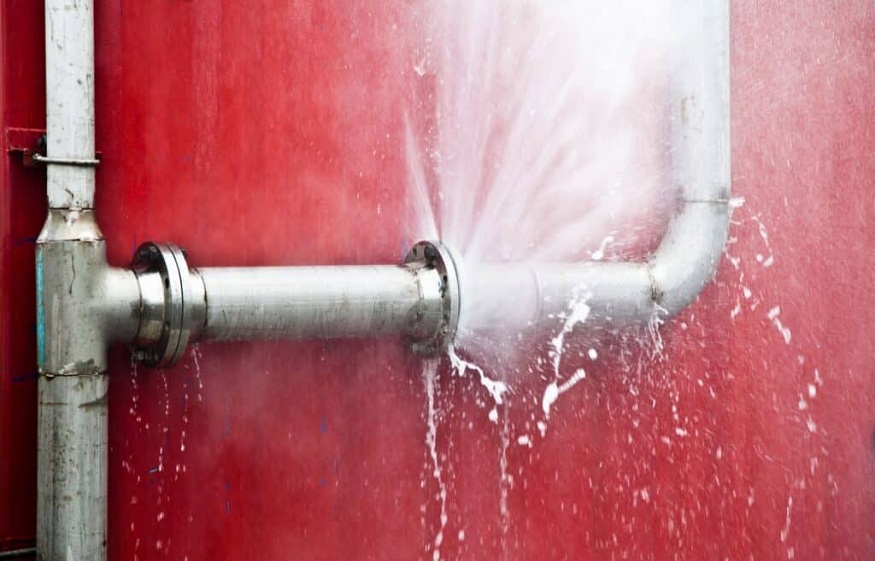
Boiler pressure indicates its effectiveness. If it goes beyond the recommended range, the system’s efficiency drops. It might even malfunction altogether.
But how do you know when the pressure is erratic? How do you react?
Read on to learn more. This guide will help you maintain a reliable system.
What is the normal boiler pressure?
Most residential boilers in Calgary perform optimally at a pressure of 1 to 2 bars. That is when the system is cold.
Read More : From Inspiration to Installation: How to Choose
The pressure might increase a bit when heating is on. This is normal. Anything much less or more than this range indicates an issue. You should address it promptly to avoid further problems.
Signs of low boiler pressure
Low pressure is a common situation. It may reduce your boiler’s ability to heat water effectively. You might find that:
- Your radiators are not heating correctly
- Your boiler keeps turning off.
In most cases, this is normally caused by:
- Water leaks
- Newly bled radiators
- A faulty pressure relief valve.
How do you correct it? You canrepressurize the system. Use the filling loop.
However, the pressure might remain low even after this adjustment. Then this signalsa more profound problem.It calls for a professional boiler repair Calgary.
Indications of high boiler pressure
High pressure may be equally troublesome. You may observe that the pressure gauge rises beyond 2.5 or 3 bars. Or water coming out of the pressure relief valve.
In other words, the pressure exceeds safe limits. This causes strain on the internal parts. It can result in:
- Leakages
- Damage to the system.
The most frequent causes of high pressure are:
- Overfilling of the system
- Failure of the expansion vessel
- Trapped air.
You can reduce the pressure by:
- Bleeding radiators
- Letting water out of the system.
If the problem recurs, the system must be checked by an expert.
How to troubleshoot safely
Begin by monitoring the pressure gauge. Know what is normal.
When the pressure is low, use the filling loop to add water slowly. Do it until it reaches the recommended level.
When it is excessively high, open your radiators. Or pour out some water gradually.
Always adjust progressively. In addition, keep monitoring any changes. Do not repeat corrections without trying to find the root cause of the issue. You might escalate the problem.
When to call a professional
Minor pressure changes can be controlled. However, constant changes indicate a more severe defect.
Read More : Joe Cianciotto Lists A Few Major Benefits of Mixed-Use
Call a professional boiler technician if you notice:
- Concealed leakages
- Broken parts
- Internal breakdowns.
These issues need professional correction. A technician can conduct a comprehensive checkup.
Concluding words
Proper boiler pressure ensures uniform heating. It also boosts the durability of the system. Frequently, watch out for abnormal signs and intervene in time. This will ensure your boiler works in the best way possible.