

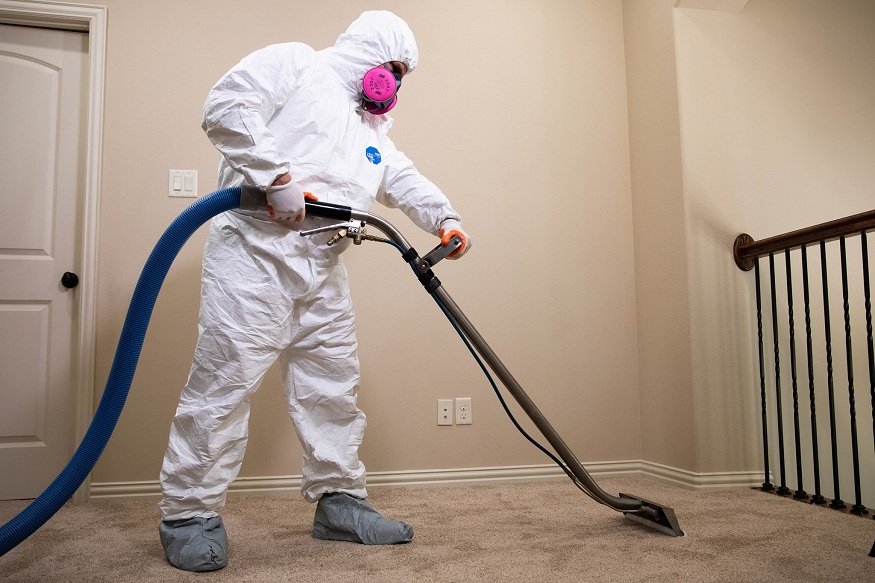
Water damage has genuinely terrible timing. It never shows up when life is calm, and the calendar is clear. It appears on a Sunday night, an hour before departing for vacation, or on a day when three other objects are already on fire. Additionally, the natural tendency is to hire the person who answers the phone first and let them handle the situation because it is urgent, tense, and the living room smells like a wet dog. That instinct is exactly what certain contractors are counting on.
Slow down by about ten minutes and ask a few questions first. It is worth it.
1. Are You Licensed, Bonded, and Actually Insured
Not, do you have those things? Show me documentation of those things. A licensed contractor meets the state’s requirements. If they don’t finish the task, they will be financially protected because they are bonded. Insurance covers damage that happens on the property during the work. All three together mean there is actual accountability if something goes wrong.
Any legitimate contractor has this paperwork ready and will not mind being asked for it. The ones who get weird about this question are the ones answering it.
2. Do Your Technicians Have IICRC Certification
The IICRC sets the industry standard for water damage restoration. Technicians who are certified have been trained on how water actually moves through building materials, how to measure moisture correctly, and what proper drying looks like versus drying that just looks finished on the surface.
The difference between those two outcomes is usually discovered about three months later when mold appears in a wall that was supposedly dried out.
3. Can the Estimate Go in Writing Before Anyone Starts
Verbal estimates and vague scopes of work are how surprise charges appear at the end of a job. A written estimate that includes the scope, equipment, timeline, and a clear process for handling unexpected hidden damage is basic professionalism. A trusted water damage restoration company in Boise will put all of this in writing without being asked twice, because companies that do the job right aren’t afraid to document what they promised to do.
4. Will You Handle the Insurance Company or Is That on Me
This one matters more than people expect. Some restoration companies have staff whose job is literally to communicate with insurance adjusters, document damage in the format adjusters want, and track what is and is not covered. Others hand over the job and let homeowners figure out the insurance piece on their own.
Both models exist. Just know which one is being hired before the work starts, not during.
5. What Equipment Is Coming and How Long Does It Stay
Industrial rehabilitation takes time to complete. Industrial dehumidifiers and air movers must operate constantly, and moisture readings must be obtained regularly to ensure drying is occurring inside the walls rather than just on the surface.
A contractor should be cautious if they are unable to identify the equipment being used or if they wish to remove it after two days when the floors seem dry.
6. Do You Handle Repairs or Just the Drying
Some companies do the full job, drying and reconstruction both. Others hand off after the structure is dry and leave the homeowner to find a separate contractor for the rebuild. Neither approach is wrong, but discovering which one it is after the walls are already demoed is a bad time to find out.
Conclusion
Even without a contractor exacerbating the situation, water damage may be distressing. The chances of employing someone who will truly solve the issue rather than merely bill for attempting are greatly increased by asking these ten-minute questions.