

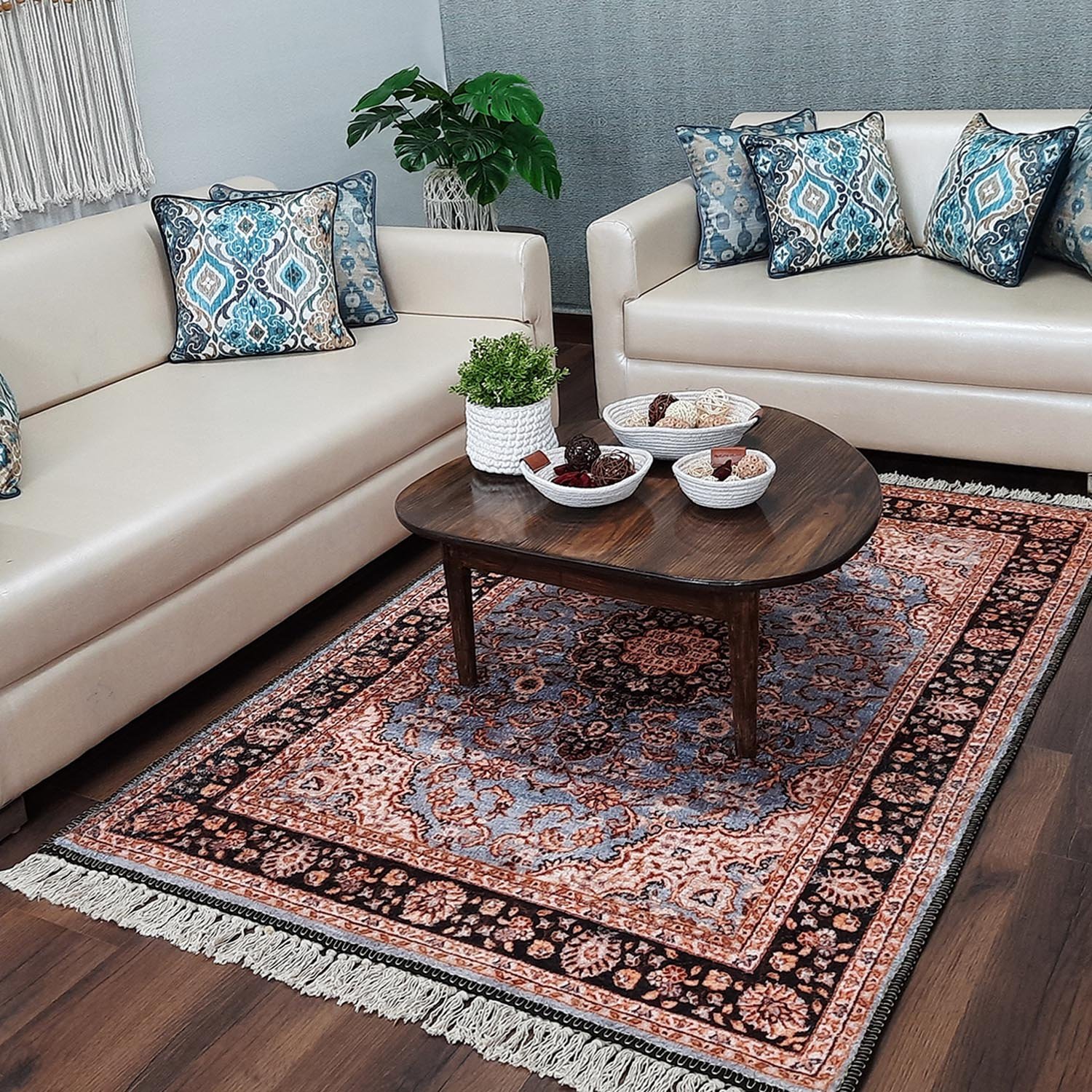
Art is usually associated with objects displayed on walls, shelves or within galleries.
However, craftsmanship can also transform functional household objects into pieces with artistic value.
Handmade Persian rugs are a strong example.
Although designed for practical use within the home, their construction involves design, colour, material selection and skilled handwork that can take considerable time to complete.
The Art of Hand-Knotting
Traditional handmade rugs are created knot by knot rather than produced mechanically.
The density and complexity of these knots influence the level of detail that can be achieved in the finished design.
Intricate patterns therefore represent not only aesthetic decisions but also significant technical skill.
Patterns Tell a Story
Traditional rug designs frequently incorporate floral forms, geometric patterns, medallions and other symbolic elements.
Different regions and weaving traditions developed recognisable visual characteristics over generations.
Those interested in these traditions can explore traditional handmade rugs from Hassan’s Carpets to see how craftsmanship and decorative design can work together within an interior.
Natural Materials Create Individuality
Material selection also contributes to the appearance of a handmade rug.
Wool provides warmth, texture, and durability, while silk can allow finer details and greater luminosity.
Read More: How a 5000W Power Station Can Support Major Home Renovation Projects
Natural fibres interact with light differently depending on their texture and direction, creating subtle variations in appearance throughout the day.
No Two Handmade Pieces Feel Exactly the Same
One of the characteristics that separates handcrafted objects from mass-produced furnishings is individuality.
Small variations are a natural part of handmade production.
Rather than being imperfections, they provide evidence of the human process behind the finished object.
Art That Can Be Used
Perhaps the most interesting aspect of a handmade rug is that it remains functional.
Unlike a painting that is primarily intended for observation, a rug becomes part of everyday life.
It can anchor furniture, provide comfort, improve acoustics, and define a room while simultaneously serving as a decorative feature.
High-quality handmade Persian carpets demonstrate how traditional weaving techniques can create pieces that function as both furnishings and decorative art.
A Long-Term Interior Element
Well-chosen rugs can remain relevant through multiple changes in interior décor.
Furniture, paint colors, and accessories may change over time, while a quality handmade rug can continue to work within different settings.
This longevity adds to the perception that such pieces are more than short-term decorative purchases.
Final Thoughts
Handmade Persian rugs occupy an unusual position between utility and art.
Their appeal comes not simply from visual appearance but from the combination of skilled construction, traditional design knowledge, and functional purpose.
Read More: How to Make an Open-Plan Spanish Fork Kitchen Feel Warm and Inviting
For homeowners who appreciate craftsmanship, a handmade rug can provide something increasingly rare in modern interiors: an object that is both useful and individually created.
Author Bio
Nadia Farouk writes about decorative arts, textiles, and craftsmanship. She has a particular interest in handmade rugs, traditional weaving techniques, and the role of artisan-made objects in interior design.
Contributor note: This article was prepared in collaboration with Hassan’s Carpets, a Singapore-based specialist in handmade, Persian, modern, and bespoke rugs.